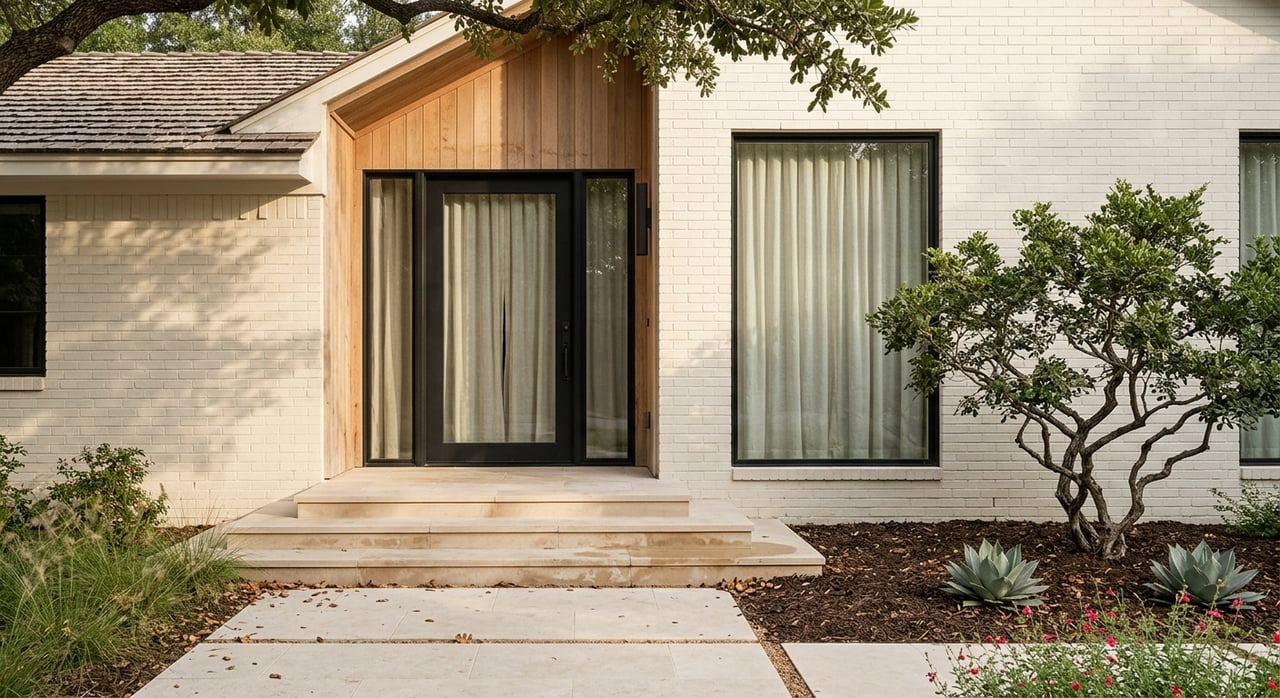
Bryker Woods Home Styles in Austin to Know
May 28, 2026
May 28, 2026
If you are drawn to neighborhoods with real architectural character, Bryker Woods stands out for a reason. Instead of repeating one home style over and over, this Central Austin neighborhood offers a layered mix of cottages, bungalows, Ranch homes, and later mid-century influences that still feel visually connected. If you are buying, selling, or planning updates here, understanding that character can help you see value more clearly. Let’s dive in.
Bryker Woods did not develop all at once, and that is a big reason its homes feel varied yet cohesive. City neighborhood-planning materials note that the William Thiele subdivision was platted in 1886, Bryker Woods itself was later platted and developed in 1936 by J.C. Bryant and McFall Kerbey, and other additions continued through the early 1950s.
That timeline matters because it created a neighborhood with more than one architectural era. You can see older cottage-like homes, pre-war bungalow forms, and later postwar houses within the same street pattern. Rather than feeling mismatched, that mix gives Bryker Woods its depth.
Bryker Woods also sits within the Old West Austin National Register Historic District, which the Texas Historical Commission lists as nationally registered in 2003. The district is recognized for both architecture and community planning and development, which helps explain why the neighborhood still reads as an early suburban setting with modest houses, walkable streets, and a strong connection between homes, lots, and mature trees.
The Bryker Woods Neighborhood Association describes the area as having a strong bungalow and cottage character. These homes tend to feel modest in scale and welcoming from the street, which is a major part of the neighborhood’s appeal.
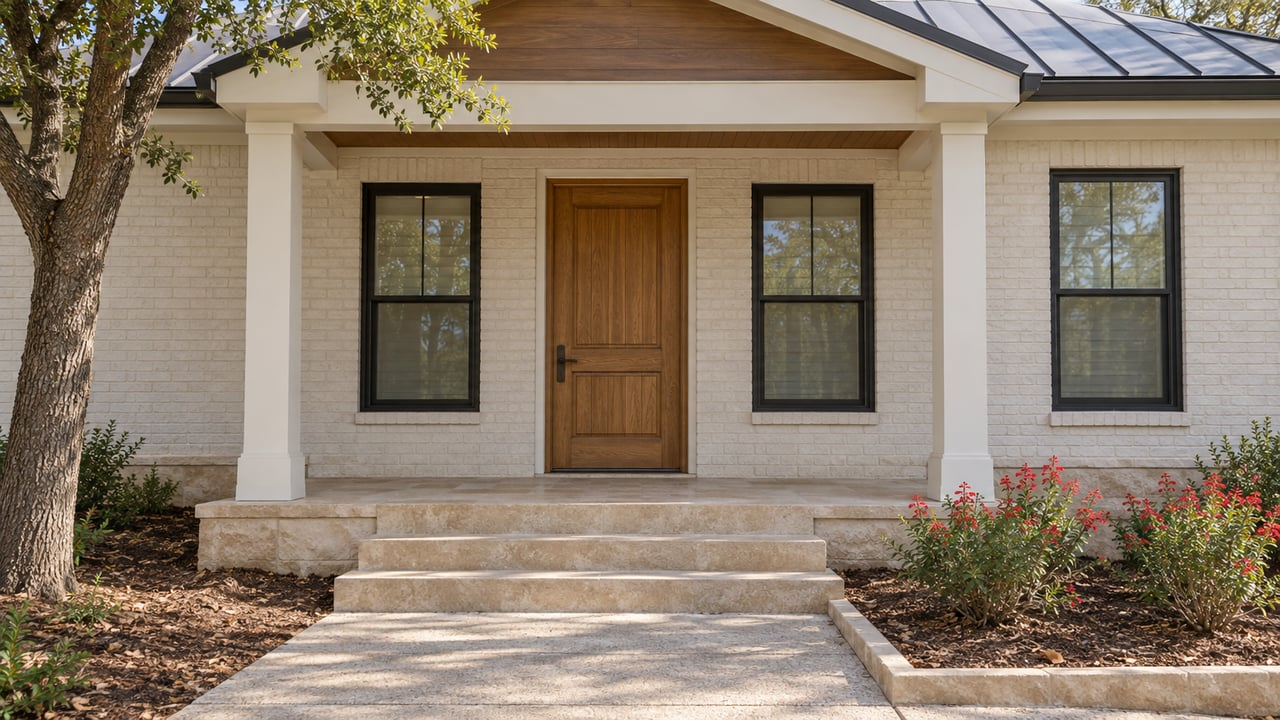
City survey materials offer a helpful shorthand for bungalow forms in this part of Austin. They are often one story with low-pitched roofs, broad eaves, porches or porticos, side-gabled or hipped roofs, and wood-sash windows.
For everyday living, those details usually create homes that feel efficient and porch-oriented rather than formal. Interiors often group bedrooms in one area and living, dining, and kitchen spaces in another, with less hallway space than more traditional center-hall plans.
The neighborhood association also points to asymmetrical Colonial Revival as one of the leading named styles in Bryker Woods. In practice, that style often shows up through overall form and proportion rather than heavy ornament.
That is part of what makes Bryker Woods distinctive. The neighborhood does not depend on dramatic decorative features to create charm. Instead, visual consistency comes from scale, rooflines, setbacks, and how houses sit on their lots.
As development continued into the 1940s and 1950s, the architectural palette broadened. City survey inventory identifies homes in and around Bryker Woods as Minimal Traditional, Ranch Style, Colonial Revival, Craftsman, Mid-century Modern, or sometimes as having no visible style at all.
That variety is important for buyers who want options. You may find a smaller cottage with original details, a practical postwar house with a simpler footprint, or a later home with a more horizontal Ranch profile. The unifying theme is not one exact style, but a shared residential scale.
The real magic in Bryker Woods is how different home styles still feel connected. According to the neighborhood association, recurring features include modest scale, inviting front porches, open front yards without privacy walls, garages set behind the house, mature trees, wood construction, pier-and-beam foundations, and hipped or gabled roofs with restrained trim.
Those elements shape curb appeal across the neighborhood. Even when one home leans cottage and another leans Ranch, the street still feels coherent because the houses relate to each other in similar ways.
The original development pattern reinforces that feeling. The neighborhood association notes long rectangular blocks, a few street ovals, and a layout planned with cars in back and people in front. That tends to create a quieter, more pedestrian-friendly residential experience than a garage-forward layout.
If you are comparing Bryker Woods to newer construction, the lifestyle feel is often different. Older homes here usually place rooms closer together, make the front entry easy to read from the street, and visually connect outdoor space to the house.
That can make these homes feel intimate, practical, and highly usable. Front porches become part of the home’s identity, and front yards contribute to the overall streetscape rather than being closed off.
For design-conscious buyers, the best way to think about Bryker Woods is as an architectural spectrum. The appeal comes from continuity in massing, setbacks, and site planning more than from one dominant facade language.
When you tour homes in Bryker Woods, it helps to look past style labels and focus on the features that drive long-term appeal. In a neighborhood like this, character often lives in proportion, placement, and original materials.
A few details to pay close attention to include:
These details help explain why one house may feel especially true to the neighborhood even if it has been updated over time. They also matter when thinking about resale and renovation potential.
If you own a home in Bryker Woods, your property’s value is often tied to more than square footage alone. Buyers are frequently responding to the home’s architectural feel, its street presence, and how well updates respect the original scale and character.
That means preparation matters. Thoughtful repairs, clean presentation, and a clear understanding of which features are worth preserving can shape buyer confidence in a meaningful way.
For many older homes, repair-first thinking can be more effective than wholesale replacement. The Texas Historical Commission notes that preservation emphasizes maintenance and repair of existing historic materials, while rehabilitation allows updates needed for continued use without erasing character.
Bryker Woods homeowners should not assume every property is regulated the same way. Austin’s Historic Preservation Office says that if a property is a landmark or a contributing property in a historic district or National Register district, exterior alterations, additions, site work, signs, and stand-alone new construction require historic review.
At the same time, the city notes that National Register districts are largely honorific, with no zoning change involved and advisory review only. Because Bryker Woods sits inside the Old West Austin National Register Historic District, the practical step is to verify the specific status of a property through the city’s Historic Property Viewer and survey documents before planning major exterior work.
That distinction matters for buyers and sellers alike. Two homes on nearby streets may look similar but have different review considerations depending on designation status.
When older Bryker Woods homes are updated well, the work usually respects the neighborhood’s modest scale and established street rhythm. Austin’s preservation guidance emphasizes compatibility in additions and new construction, while ordinary repairs, maintenance, and interior changes are not reviewed.
In practical terms, the biggest design questions often involve:
If you are evaluating a home with renovation potential, these are often more important than flashy finishes. In Bryker Woods, restraint usually ages better than overstatement.
In a neighborhood like Bryker Woods, architectural character is not just aesthetic. It affects how a home feels, how it lives, and how buyers respond when it hits the market.
For buyers, that means understanding whether you want a compact bungalow layout, a cottage feel, or the simpler footprint of a postwar Ranch home. For sellers, it means presenting your home in a way that highlights the features buyers already associate with Bryker Woods charm.
This is also where local guidance matters. In a neighborhood shaped by history, lot pattern, and design continuity, the strongest decisions usually come from understanding both market value and the home’s architectural logic.
If you are considering a move in Bryker Woods, whether buying a character home or preparing one for sale, a thoughtful strategy can make all the difference. For tailored guidance on Bryker Woods homes, design character, and smart next steps, connect with Abby Alwan.
Stay up to date on the latest real estate trends.


For a seamless, elevated real estate experience, choose a partner whose track record and pedigree reflect the highest standards. Contact Abby today!