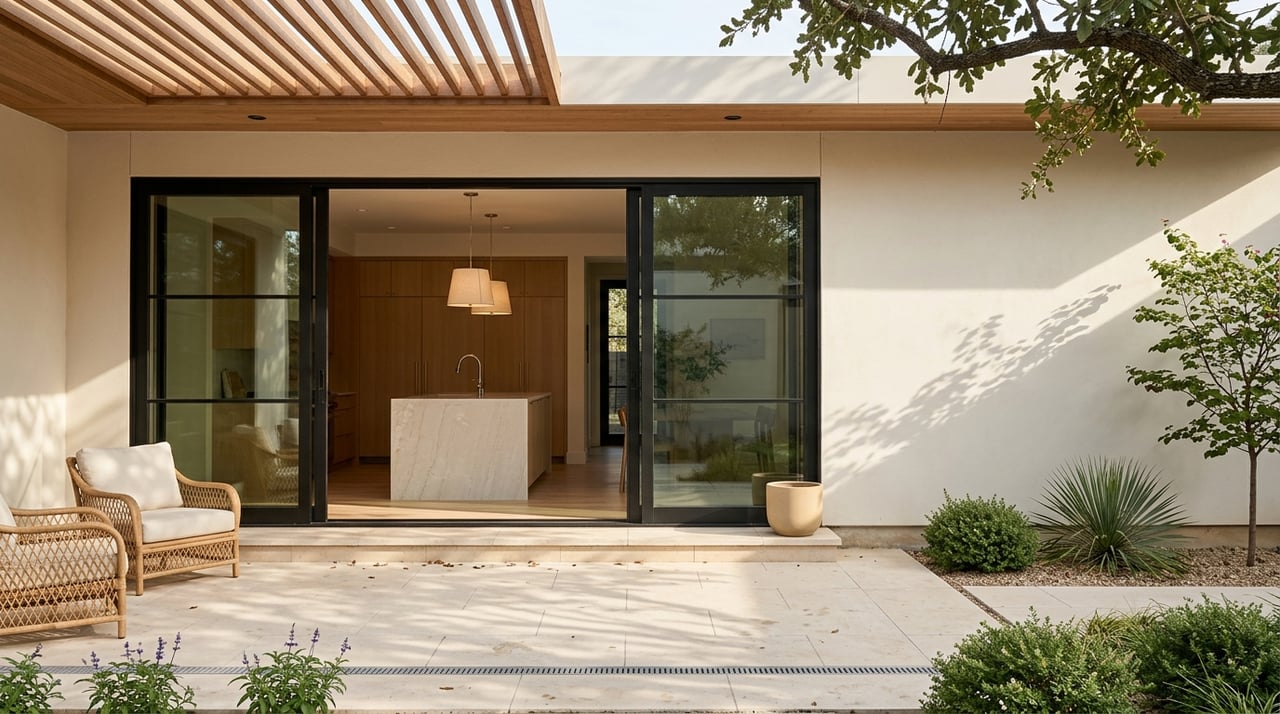
Rosedale Austin Neighborhood Guide: Is This Area Right?
June 4, 2026
June 4, 2026
If you want Central Austin access without giving up a leafy, residential feel, Rosedale is one of the neighborhoods worth a closer look. It appeals to many buyers because it blends older-home character, mature trees, parks, and practical access to Burnet Road, Lamar, downtown, and the University of Texas area. But it is not a one-size-fits-all neighborhood, and the details of each block and lot matter more here than in a newer subdivision. Let’s dive in.
Rosedale is generally described as the area between 34th Street and Hancock Drive and between Lamar or Burnet Road and Shoal Creek. It has a long neighborhood history and an active civic presence, which helps explain why it still feels established and distinct.
Much of the area grew from former dairy and nursery land into a collection of compact residential subdivisions. More than 20 subdivisions were documented over time, and much of the original housing dates to the 1930s and 1940s. That history still shows up today in the tree canopy, older homes, and the fact that one street can feel very different from the next.
For many buyers, the biggest draw is balance. Rosedale offers close-in Austin convenience, but it does not feel fully urban in the way some denser neighborhoods do.
You can find a residential setting with mature trees, park access, and established homes, while still being near dining, errands, and major routes. If you want charm and central location over a newer master-planned layout, Rosedale often stands out.
Rosedale can be a strong fit if you want older-home character, neighborhood variety, and access to Central Austin. It may also appeal to you if you are open to evaluating homes individually instead of expecting a uniform look, lot pattern, or condition level.
This neighborhood often works well for buyers who care about lifestyle and location as much as square footage. If you like the idea of a home with personality, renovation potential, and nearby parks and local businesses, Rosedale may be worth serious consideration.
Rosedale is usually a weaker fit if you want a newer subdivision pattern, larger lawns, or simple off-street parking. Because the neighborhood developed in pieces over time, lot sizes, driveway setups, and home styles can vary a lot.
If your priority is predictable lot geometry, wide driveways, and abundant guest parking, you may find some Rosedale homes less convenient. This is one of those neighborhoods where lifestyle fit matters just as much as budget.
Recent housing data places Rosedale in Austin’s upper price tier. Realtor.com reports a median listing price of $995,000, with a median price per square foot of $482, while Homes.com reports a median list price of $1.1 million and a median sale price of $1.082 million over the last 12 months.
The exact numbers vary by source, but the larger takeaway is consistent: Rosedale is a high-value neighborhood with older housing stock. Homes.com also reports a median year built of 1953 and an average single-family home size of 2,447 square feet.
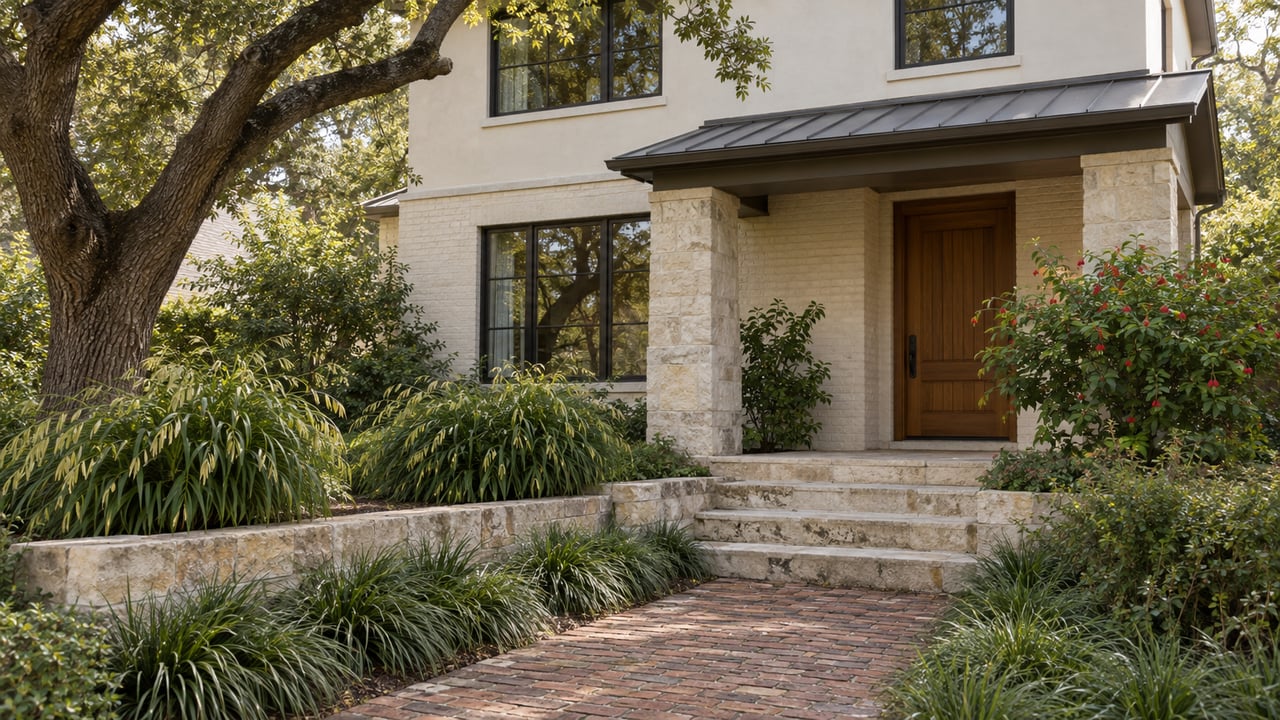
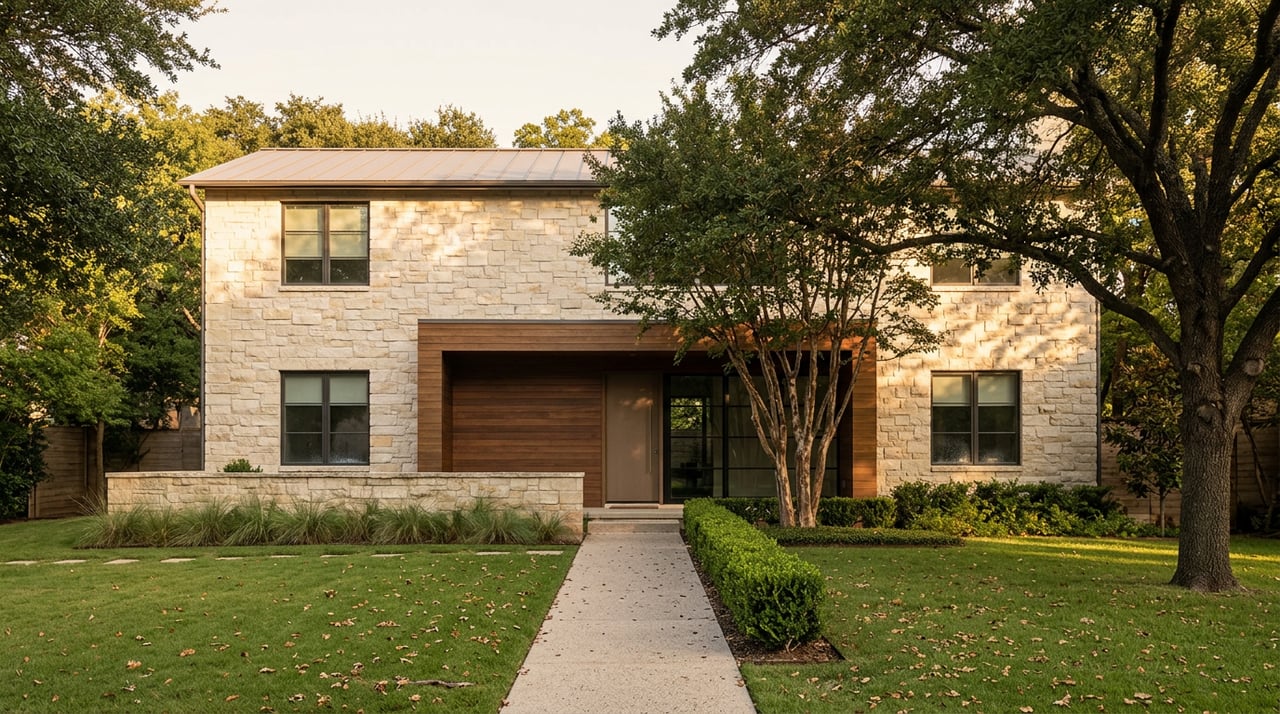
Rosedale includes original bungalows, traditional homes, duplexes or townhomes, and newer construction. That mix creates opportunity, but it also means you need to compare homes carefully.
An original-condition bungalow and a newer infill home can have very different maintenance needs, lot use, and long-term resale considerations. In Rosedale, broad averages only tell part of the story. The real value often comes from understanding a specific property in detail.
Because Rosedale grew through many separate plats rather than one master-planned subdivision, lot shape and frontage can vary block by block. That makes address-level review especially important when you are evaluating a home here.
The neighborhood plan also points to narrow-lot design as a common feature. One-lane driveways are typical, garage doors are not meant to dominate the front of the home, and front-yard parking is discouraged. In practical terms, parking and curb appeal can look very different from what you might expect in a more suburban setting.
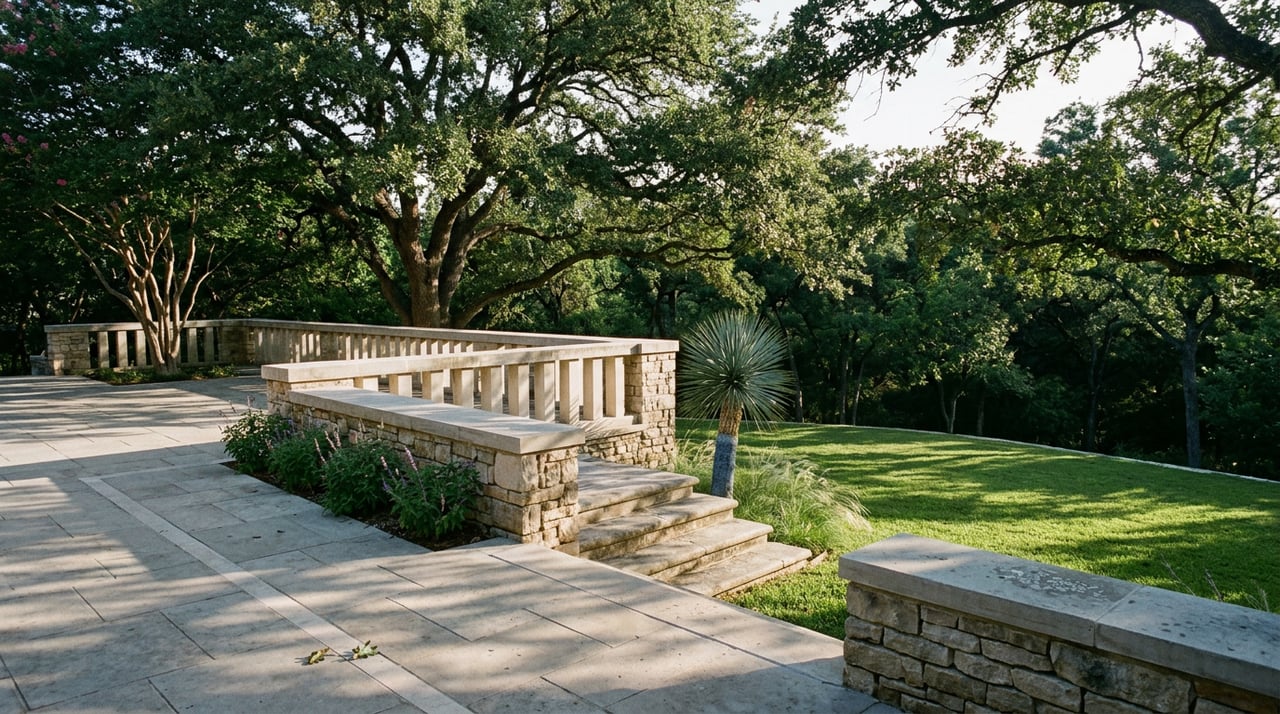
Not every Rosedale lot is flat. The neighborhood plan notes that about 13% of the housing stock sits on significant grade changes, which can show up as lower-level garages, retaining walls, and steeper site conditions.
Older infrastructure matters too. City materials mention past runoff and overland flooding before drainage improvements in the broader Rosedale and Ridgelea area. When you tour homes, it is smart to pay close attention to grading, drainage patterns, and any signs of water intrusion.
One of Rosedale’s strongest lifestyle advantages is access to parks and green space. Ramsey Neighborhood Park, at 4301 Rosedale Avenue, includes 5.278 acres. Nearby options also include Seiders Springs at Shoal Creek Greenbelt, with 4.22 acres, and Shoal Creek Greenbelt, with 94.7596 acres.
If outdoor access matters to you, this is a meaningful part of the neighborhood’s appeal. These parks help support the tree-filled, established character that many buyers are looking for in Central Austin.
Burnet Road is a major part of day-to-day convenience in and around Rosedale. Dining and errands cluster most strongly along that corridor, which serves nearby neighborhoods with restaurants, bars, resale shops, and casual local spots.
Austin Monthly describes Burnet as a lively stretch with dozens of options, and current nearby examples include Honest Mary’s, Citizens All Day, Barley Swine, and Rosen’s Bagel Co. For many buyers, that means you can enjoy close-in food and convenience without living in a fully commercial environment.
Location is another reason buyers keep Rosedale on their list. With access to Burnet Road and North Lamar, the neighborhood offers straightforward routes to central Austin destinations, including downtown and the University of Texas area.
Transit is also part of the picture. CapMetro’s Rapid 801 on North Lamar and Rapid 803 on Burnet connect to UT and downtown, and Rapid buses arrive every 10 to 20 minutes. CapMetro also says its broader high-frequency network runs every 15 to 30 minutes from 6 a.m. to 8 p.m., seven days a week.
The city’s North University-Heritage-Rosedale bikeway project is intended to improve safety and mobility. The Rosedale-serving phase includes signs and markings on 41st Street, Burnet Road, and 40th Street.
If you care about short bike trips or reducing how often you drive, that is an important quality-of-life detail. It may make neighborhood movement easier over time, especially for shorter local trips.
Because of the neighborhood’s older plats, varied lots, and mix of housing types, the right questions can save you time and money. A thoughtful showing in Rosedale should go beyond finishes and staging.
Here are a few smart questions to ask:
These questions can tell you a lot about how a home will function in real life. They also help you compare homes more clearly in a neighborhood where no two blocks feel exactly the same.
Rosedale may be the right next neighborhood for you if you want Central Austin convenience, mature trees, park access, and homes with character. It is especially appealing when you value location, individuality, and long-term lifestyle fit more than a cookie-cutter layout.
At the same time, this is a neighborhood where details matter. Lot shape, slope, parking, drainage, and housing condition can all affect how well a specific property works for you. If you want thoughtful guidance on how to compare Rosedale homes with a sharp eye for both lifestyle and construction detail, Abby Alwan can help you evaluate the neighborhood with clarity and confidence.
Stay up to date on the latest real estate trends.


For a seamless, elevated real estate experience, choose a partner whose track record and pedigree reflect the highest standards. Contact Abby today!