Remodel Or Rebuild In Tarrytown? A Strategic Look
June 25, 2026
June 25, 2026
If you own a home in Tarrytown, the remodel-or-rebuild question can feel bigger than a design decision. You are not just choosing finishes or floor plans. You are weighing architecture, trees, permitting, lot constraints, and long-term value in one of Central Austin’s most established neighborhoods. The right answer depends on your specific house, your lot, and your goals, so let’s break down the decision in a practical way.
Tarrytown is not a one-size-fits-all neighborhood. It is a close-in Austin area west of downtown, between Lake Austin and MoPac, with a mix of historic older homes, estates, bungalows, and later infill.
That variety matters. A 1915-era home on one block may raise very different questions than a mid-century property or a more recently updated house nearby. In Tarrytown, parcel age, lot shape, architectural style, tree canopy, and site constraints can vary a lot from one property to the next.
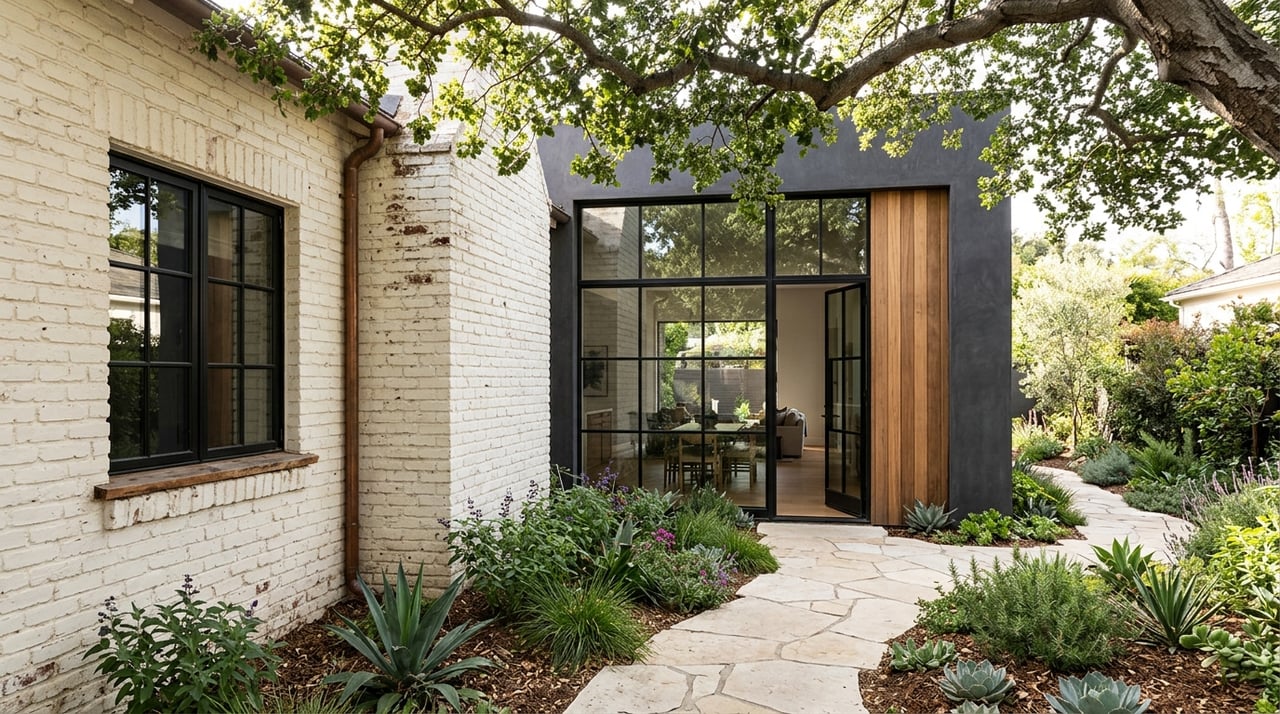
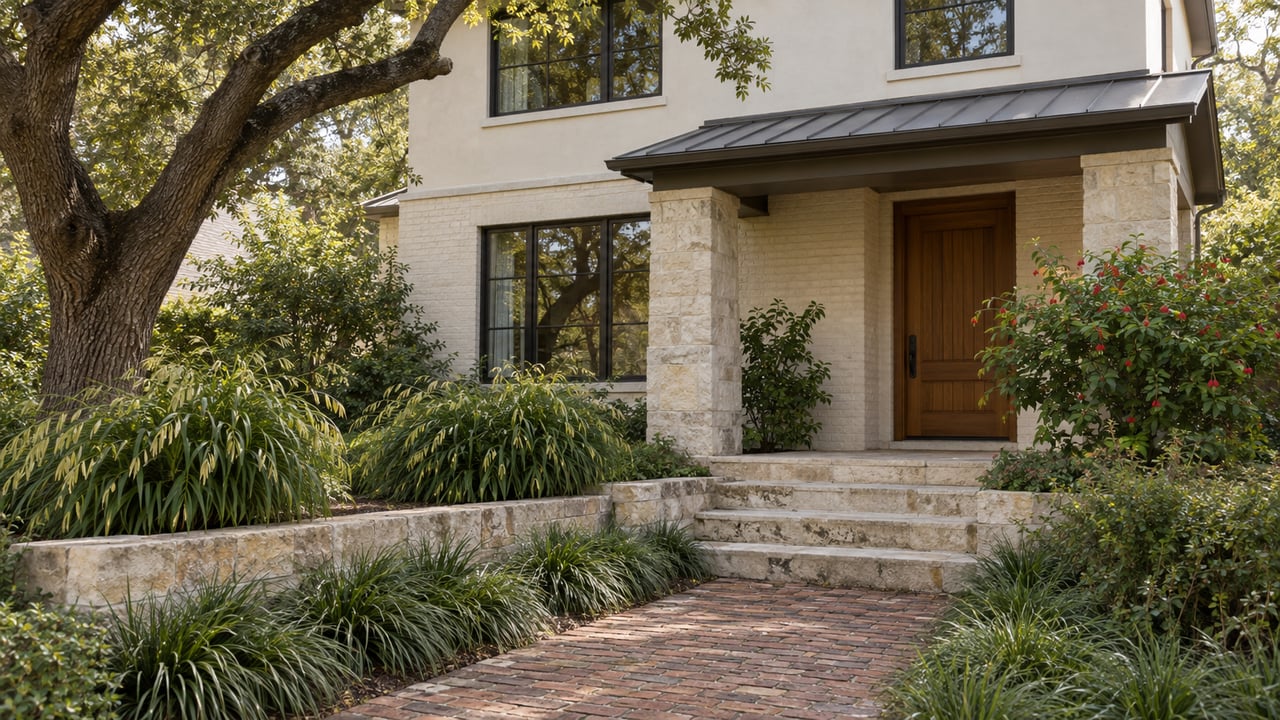
A remodel usually makes the most sense when the home has good bones and you can improve how it lives without completely reworking the structure. In Tarrytown, that often means keeping the street-facing character that gives the home its charm while making smart updates inside.
For many older homes, the best remodels focus on livability and efficiency. Kitchens, baths, insulation, HVAC, and selective layout changes can go a long way, especially if the original facade and roofline still contribute to the home’s appeal.
Rear additions can also be part of a strong remodel strategy. If you can add useful space while keeping the front of the home intact, you may preserve much of what buyers value about classic Tarrytown architecture.
A remodel can be especially attractive here for a few reasons:
Austin’s residential review chart lists 5 business days for interior remodels and 15 business days for new construction or additions. Timing can still vary by project, but that difference helps explain why some owners start by exploring a renovation path first.
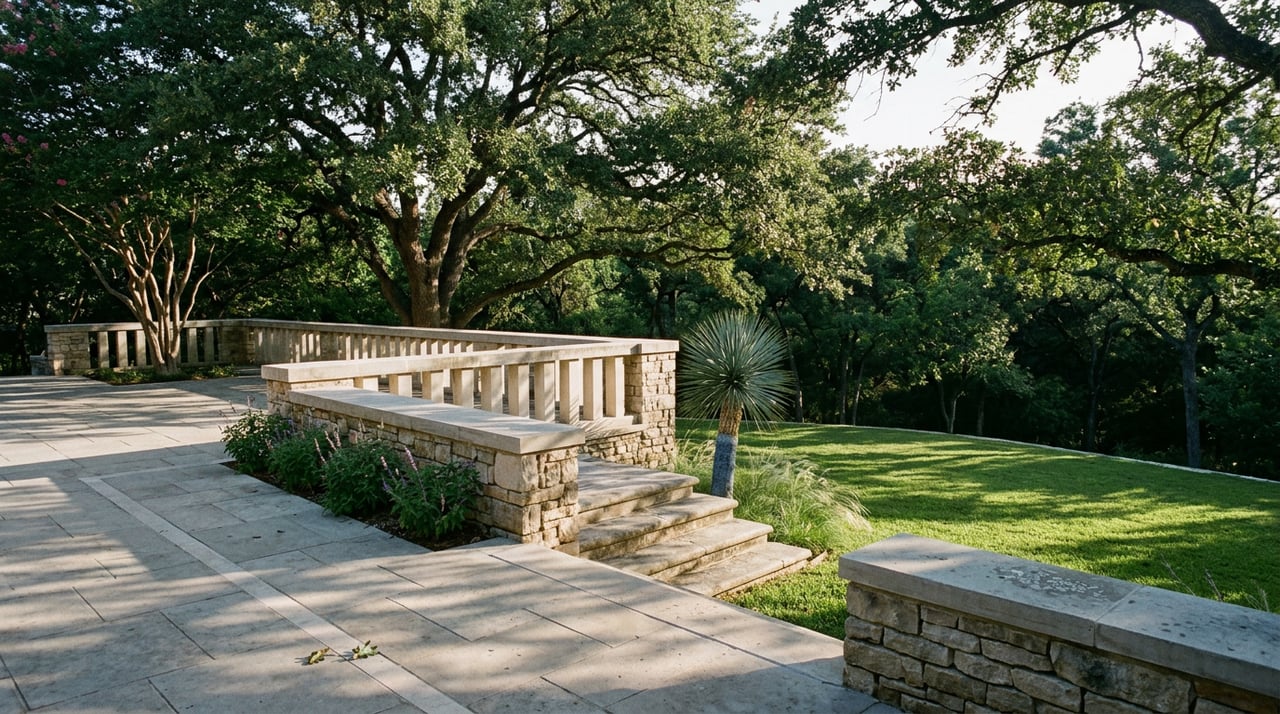
Part of Tarrytown’s appeal is its mature tree canopy and established neighborhood scale. The area’s profile and planning context both point to tree preservation and neighborhood character as important parts of what makes the area desirable.
That means a lighter-touch project can carry real advantages. If your plan avoids major root-zone disturbance and does not significantly increase hardscape, a remodel may fit the site more naturally and help preserve the look and feel that makes the property special.
Sometimes, a remodel sounds better in theory than it does in practice. If the house has serious structural or systems issues, or if your desired layout would require major structural reworking, rebuilding may be the cleaner path.
Older homes in Tarrytown can come with issues such as foundation movement, outdated plumbing, original electrical systems, roof concerns, moisture problems, and drainage challenges. When those issues stack up, the cost and complexity of patching an older home can start to rival the cost of starting over.
A rebuild may deserve a closer look if:
In these cases, rebuilding can offer a chance to align the home more closely with how you want to live. But in Tarrytown, a teardown is rarely as simple as it sounds.
A rebuild in Tarrytown is not just a design decision. It is also a coordination and entitlement decision.
In Austin, total demolition has its own permit path, and new construction then moves through Residential Plan Review. The city notes that legal lot status, deed restrictions, Austin Energy clearances, and transportation-related issues can all become part of the process.
There are also site-specific constraints that can affect what you can build. Much of Tarrytown lies in the Water Supply Suburban Drinking Water Protection Zone, where impervious cover is limited. If your new design adds more building area, driveway area, patios, or other hardscape, those limits can become a major factor.
Tree regulations can also shape the outcome. On residential lots, regulated trees require permits if they are removed, heavily pruned, or impacted in the critical root zone. In a neighborhood known for mature landscaping, that can have a real effect on design options, build area, and timeline.
Another key question is whether the property has historic significance or falls within a historic district. Austin’s Historic Landmark Commission reviews exterior changes to designated resources, along with demolitions and relocations of buildings that are at least 45 years old and eligible for landmark designation.
That does not mean every older Tarrytown home is off-limits for major changes. It does mean you should verify property-specific status early, before you get too far into budgeting or design assumptions.
If you are choosing between remodeling and rebuilding in Tarrytown, the most strategic first step is not picking a contractor or sketching a floor plan. It is understanding the property itself.
Start with the house’s condition. If the structure is sound and the architecture adds value, remodeling may give you the best balance of character, efficiency, and resale appeal.
Then look at the lot. Tree placement, impervious cover limits, lot status, and possible historic review can all narrow or expand your options. In Tarrytown, the lot often decides as much as the house does.
Finally, compare your goals to what the existing home can realistically support. If you want better flow, updated systems, and modest added space, a remodel may be the smart answer. If you want a fundamentally different home and the current structure is already compromised, rebuilding may be worth the added complexity.
Before you commit to either path, work through the basics with care:
That early diligence can save time, money, and frustration. It can also help you avoid falling in love with a plan that the site or city rules will not support.
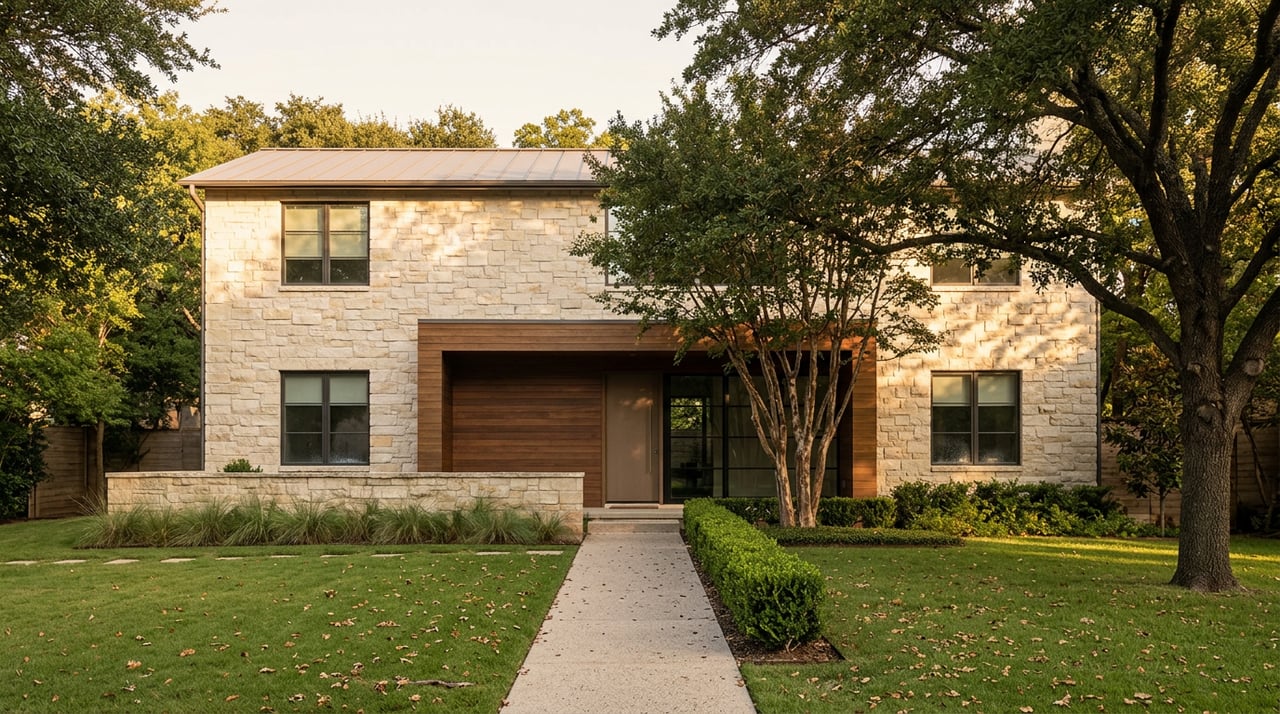
In Tarrytown, remodeling usually makes the most sense when you have a sound house, valuable architectural character, and a goal to improve livability while preserving what already works. Rebuilding tends to make more sense when the existing home is too compromised, the systems are too dated, or your vision requires a near-total reset.
Because Tarrytown is shaped by older housing stock, mature trees, watershed limits, and possible historic review, the smartest decision is rarely based on square footage alone. It is based on how the house, lot, and regulations work together.
If you are weighing a move, a renovation, or a future resale strategy in Tarrytown, having local guidance matters. Abby Alwan brings a thoughtful, construction-informed perspective to help you evaluate a property clearly and make a decision that supports both lifestyle and long-term value.
Stay up to date on the latest real estate trends.


For a seamless, elevated real estate experience, choose a partner whose track record and pedigree reflect the highest standards. Contact Abby today!