What Northwest Hills Move Up Buyers Should Expect
June 11, 2026
June 11, 2026
If you love the idea of staying close to Central Austin but need more room to live, work, or grow into, Northwest Hills is worth a serious look. This area gives you a rare mix of larger homes, established streets, and a close-in location, but it also comes with price swings, hilly lots, and older housing stock that can change the math quickly. If you are thinking about moving up here, it helps to know what drives value, what tradeoffs to expect, and how to spot the right fit. Let’s dive in.
Northwest Hills sits in northwest Austin within City Council District 10, and the broader area is generally understood as the land inside RM 2222, Loop 360, U.S. 183, and MoPac. It is a sizable residential area with more than 6,200 single-family households and more than 5,000 apartments. That scale matters because it gives you more housing variety than many buyers expect.
For move-up buyers, the biggest takeaway is that Northwest Hills is not one uniform product. Some nearby Far West pockets include condos, townhomes, and apartments, while deeper sections lean more heavily toward single-family homes with more privacy and more dramatic terrain. That mix is one reason pricing can seem inconsistent at first glance.
Another point many buyers like is flexibility. According to the Northwest Austin Civic Association, many homes in the area are not part of an HOA. If you prefer fewer HOA constraints, that can be a meaningful advantage.
One of the easiest mistakes in Northwest Hills is assuming there is one “typical” price point. There is not. The neighborhood includes everything from smaller condos to renovated or rebuilt single-family homes that push well above $1 million.
Homes.com reports a median sale price of $820,000 over the last 12 months, with a median single-family sale price of $1.24 million and a median townhouse sale price of $532,000. Realtor.com shows a median listing price of $524,450, while Redfin reports a median sale price of $663,253 for the three months ending April 2026. Those differences mostly reflect the mix of product types in the area.
If you are shopping as a move-up buyer, the single-family segment is usually the more relevant benchmark. Homes.com says traditional single-family homes under 2,500 square feet often sell from the upper $500,000s to the upper $900,000s, while larger properties can climb from the upper $900,000s to nearly $3 million. In practical terms, more square footage, better updates, and a stronger lot position usually mean a much higher price.
Recent sales help show that spread. Redfin reported a 985-square-foot condo sale at $267,000, while single-family sales included homes around 2,615 square feet at $950,000, 2,664 square feet at $1.335 million, 3,399 square feet at $1.495 million, and 3,819 square feet at $1.995 million. That is a wide range, but it reflects how much home type and condition matter here.
Northwest Hills can be attractive to buyers who want more space without moving far from the urban core. Homes.com reports an average single-family size of 2,170 square feet, a median lot size of 7,840 square feet, and a median year built of 1974. Many homes were built from the 1950s through the 1990s, which means you will often be comparing original-condition properties, partial remodels, and full renovations on the same search.
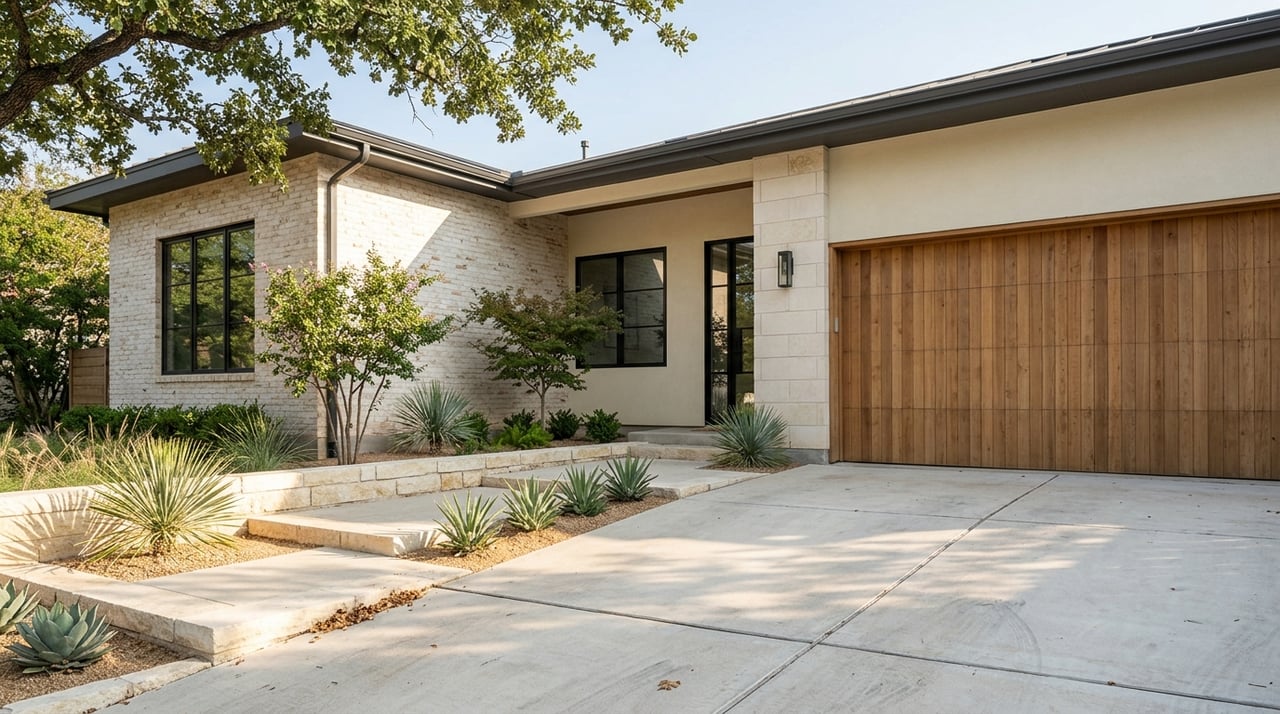
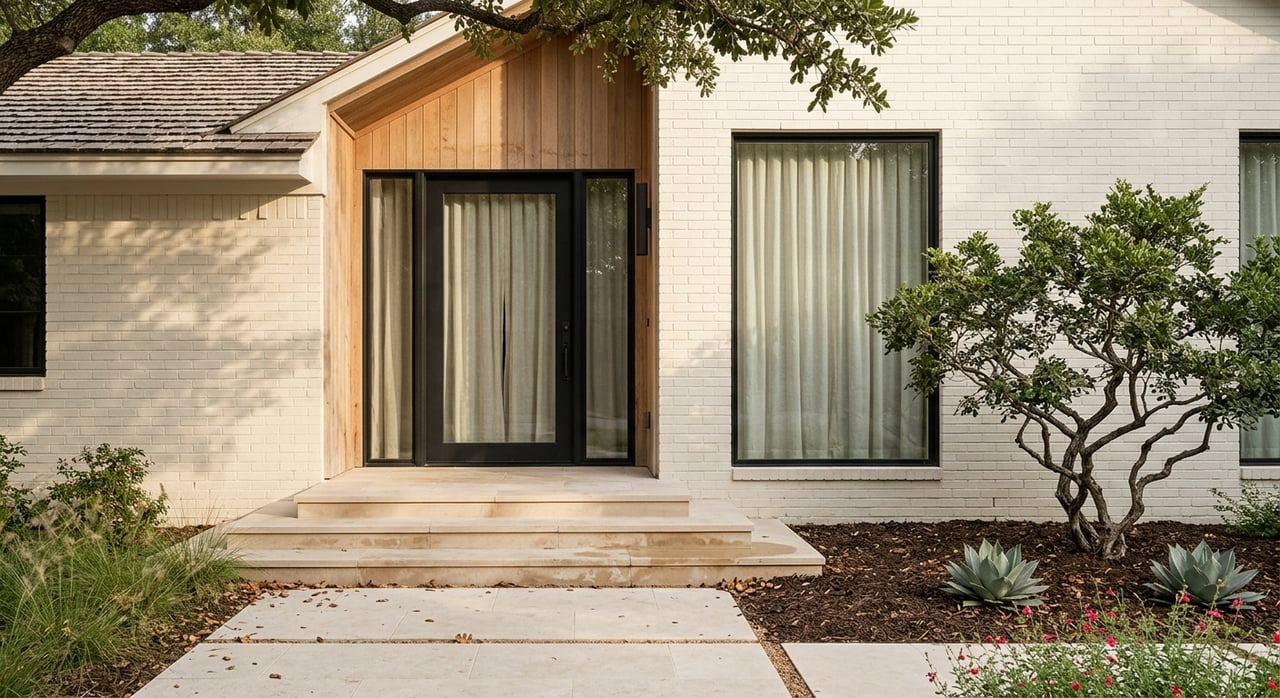
Architecturally, the area is mixed in a way that creates both opportunity and complexity. You may see low-slung ranch homes, vertically stepped custom homes, and updated properties with more contemporary finishes. If you are moving up from a condo, townhome, or smaller house, this can open the door to more indoor space, a larger yard, and more privacy.
At the same time, you are often paying for location, lot character, and long-term optionality, not just turnkey newness. Some homes are beautifully updated, while others may need cosmetic work or more meaningful capital improvements. This is where construction knowledge and careful property review can make a real difference.
Northwest Hills sits in Austin’s Hill Country and Balcones Escarpment setting, and the terrain is a major part of the neighborhood’s identity. West of MoPac, Austin becomes notably hillier, and this area reflects that with sloping streets, wooded canyons, and homes set into limestone-heavy topography. In short, this is not a flat-lot neighborhood.
That topography can create privacy, views, and a more distinctive setting. It can also affect driveways, backyard usability, drainage patterns, retaining walls, and future renovation plans. For some buyers, that character is exactly the appeal. For others, it can feel like more maintenance and more moving parts than expected.
Lot sizes vary as well. While Homes.com reports a median lot size of 7,840 square feet, current public listings show single-family lots around 0.26, 0.31, and 0.69 acres. That means one street can feel very different from the next, even within the same general pocket.
Because many homes are older, renovation potential is a big part of the Northwest Hills story. A house with great bones on a strong lot may be a smart move-up option if you are comfortable with updates over time. But in this neighborhood, the lot itself can affect what is realistic.
The City of Austin requires permits to remove or impact regulated trees. Protected Trees are 19 inches diameter at breast height or larger, and Heritage Trees are 24 inches or larger. On many Northwest Hills lots, mature trees are part of the charm, but they can also limit additions, driveway changes, or outdoor projects.
The city’s review process can also involve grading, erosion and sedimentation controls, landscaping, tree protection, slope restrictions, drainage, and floodplain requirements. On hillside lots, those factors may affect additions, retaining walls, and outdoor living upgrades. If you are buying with renovation in mind, it is wise to think beyond finishes and ask what the site itself will allow.
For many move-up buyers, the location is one of Northwest Hills’ strongest selling points. It is a residential area with convenient access to MoPac and Loop 360, which helps you stay connected to downtown and other major parts of the city. Compass places downtown Austin at about 14 minutes by car and Austin-Bergstrom International Airport at about 29 minutes by car.
Daily errands often cluster along Far West Boulevard, which adds to the area’s practical appeal. The neighborhood also sits near major greenspaces in District 10, including Bull Creek District Park, Mount Bonnell, and Emma Long Metropolitan Park. That mix of access and established residential character is part of why buyers continue to prioritize this area.
If your goal is to gain space without giving up close-in convenience, Northwest Hills can check that box well. You are often trading a more uniform suburban feel for a more established, varied, and location-driven neighborhood experience.
Every move-up purchase involves tradeoffs, and Northwest Hills is no exception. Here, buyers are often balancing close-in location and lot character against older homes, rolling terrain, and less predictability from one property to the next. That is not a flaw, but it does mean your search needs to be more property-specific.
If you want a flat, newly built home on a uniform lot with very little maintenance, some parts of Northwest Hills may feel like a mismatch. If you value mature trees, more architectural variety, and the chance to own a larger home in an established close-in area, the tradeoff may feel worthwhile. Knowing which side of that equation matters most to you is key.
Environmental factors also deserve attention. Redfin’s risk layers flag flood, wildfire, wind, and heat exposure in the neighborhood, and District 10 leadership has identified wildfire safety as a priority because of the area’s greenspace pattern. These risks do not define every property, but they are part of responsible long-term ownership planning.
Resale in Northwest Hills appears closely tied to three things: location within the neighborhood, lot quality, and renovation level. Updated homes with functional layouts and good lot positions tend to stand out more than original-condition properties that need major work. In a mixed housing stock neighborhood, that distinction matters.
Recent market trackers point to moderate liquidity rather than a stalled market. Redfin reports a 46-day median market time and a 97.3% sale-to-list ratio over the three months ending April 2026. Realtor.com shows a 47-day median days-on-market figure, and Homes.com reports about 60 days on market over the last 12 months.
That suggests buyers are still active, but they are making distinctions. When you buy in Northwest Hills, it helps to think not only about what works for you today, but also how the home’s condition, layout, and lot position may read to the next buyer later.
Northwest Hills tends to work well for buyers who want more space, established surroundings, and close-in access to Austin’s core. It can be especially appealing if you are open to older homes, value mature landscaping, and understand that topography plays a major role in both lifestyle and upkeep. It also helps if you can look past headline median prices and focus on the product type you actually want.
The strongest purchases here are often the ones where house, lot, and long-term plans line up. A beautifully updated home may justify a premium if the lot is usable and the layout works for the way you live. A home with renovation upside may also be compelling, but only if you understand the site constraints before you commit.
If you are considering a move up in Northwest Hills, the smartest approach is a property-by-property one. The neighborhood offers real upside, but the details matter.
If you want clear guidance on how to compare homes, evaluate renovation potential, and make a confident move in Northwest Hills, Abby Alwan can help you navigate the market with a steady, informed approach.
Stay up to date on the latest real estate trends.
For a seamless, elevated real estate experience, choose a partner whose track record and pedigree reflect the highest standards. Contact Abby today!